

New 2025 Menopause Guidelines: What Every Woman Needs to Know
Menopause Guidelines
For years, women were told to “just use lubricant,” “it’s normal,” or “that’s part of aging” when they brought up vaginal dryness, painful sex, urinary urgency, burning, or repeat UTIs. If this is your first time hearing this, those symptoms are not trivial—and they are not something you’re supposed to quietly live with.
In 2025, that narrative changed in a meaningful way. New, evidence-based guidelines on Genitourinary Syndrome of Menopause (GSM) were released by the American Urological Association in collaboration with major women’s health organizations. These guidelines formally recognize GSM as a real, chronic medical condition that affects the vagina, vulva, urethra, and bladder—and one that deserves proper treatment.
This article uses the widely shared educational discussion between Dr. Kelly Casperson, MD and Dr. Rachel Rubin, MD as a backdrop, then anchors those insights in the published 2025 clinical guidelines and peer-reviewed literature. Full credit is given to the physicians and organizations responsible for this work, with direct links so you can verify everything yourself.
What Changed With the 2025 Menopause Guidelines
The 2025 guidelines represent a shift from minimizing symptoms to treating GSM as standard medical care. They are not opinion pieces. They are consensus documents built over several years, reviewed by multidisciplinary experts, and approved through formal medical governance.
Key changes include:
-
Clear recognition of GSM as a chronic condition
-
Strong support for local vaginal hormone therapies
-
Emphasis on shared decision-making instead of “one-size-fits-all” advice
-
Correction of long-standing misinformation around safety
The full guideline is publicly available and not behind a paywall:
What Is Genitourinary Syndrome of Menopause (GSM)?
GSM describes changes that occur when estrogen and androgen levels decline. While menopause is the most common trigger, GSM can also occur during perimenopause, breastfeeding, or with medications that alter hormones.
Symptoms may include:
-
Vaginal dryness, irritation, burning, or tearing
-
Pain with sex
-
Recurrent urinary tract infections
-
Urinary urgency, frequency, or burning
-
Overactive bladder symptoms
-
Reduced arousal or muted orgasms
-
Persistent awareness or discomfort of the genital area
Unlike hot flashes, GSM does not reliably improve with time. Without treatment, symptoms often progress.
The Most Important Shift: A Toolbox, Not a Lecture
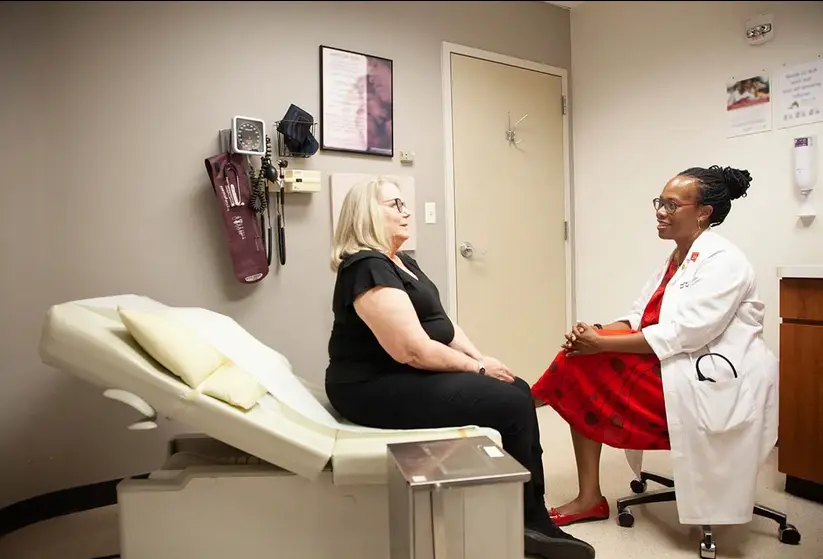
One of the strongest themes in the new guidelines—and in the Casperson/Rubin discussion—is shared decision-making. That means care is not about being told what to do. It’s about understanding your options and choosing what fits your goals and comfort level.
The guideline intentionally moves away from rigid “first-line / second-line” rules and instead presents a toolbox approach, where therapies can be used alone or together.
Personalized hormone support, weight loss, and aesthetic care for people ready to feel like themselves again.
Genitourinary Syndrome of Menopause (GSM) symptoms
If this is your first time hearing the term Genitourinary Syndrome of Menopause, you’re not alone. GSM is a medical condition that affects the vaginal and urinary tissues and is commonly misunderstood or minimized.
Common GSM symptoms include:
• Vaginal dryness
• Burning or irritation (vulva or vagina)
• Itching
• Lack of natural lubrication
• Painful intercourse (dyspareunia)
• Urinary urgency or frequency
• Dysuria (painful urination)
• Recurrent urinary tract infections (UTIs)
These symptoms are medical, not cosmetic, and they often worsen over time without treatment.
Evidence-Based Treatment Options Highlighted in the Guidelines
Local Vaginal Estrogen
Low-dose local vaginal estrogen is clearly supported for improving vaginal tissue health, reducing pain with sex, and decreasing urinary symptoms and recurrent UTIs. This is local therapy, not systemic hormone therapy.
Vaginal DHEA
Vaginal DHEA is also recognized as an effective option for GSM symptoms and is discussed throughout the guideline as part of modern care.
Systemic Hormones Do Not Automatically Treat GSM
The guidelines specifically state that women on systemic hormone therapy may still need local vaginal treatment if GSM symptoms persist.
Lubricants and Moisturizers
These products can help with friction during sex but do not treat the underlying tissue changes and have not been shown to prevent urinary symptoms or UTIs. They are supportive—not definitive—therapy.
Laser-Based Treatments
The guideline states there is insufficient high-quality evidence to recommend vaginal laser therapy as standard GSM treatment at this time.
Why These Guidelines Matter in Real Life
GSM isn’t just about comfort. Recurrent UTIs, urinary urgency, and infections can lead to emergency visits, hospitalizations, and serious complications—especially as women age.
The guidelines exist to:
-
Improve access to appropriate treatment
-
Reduce preventable infections and complications
-
Correct outdated safety fears
-
Give both patients and clinicians clear, evidence-based direction
Strong Call to Action: What to Do Next
If this article sounds uncomfortably familiar, you’re not imagining things—and you’re not alone.
GSM is common, medical, and treatable. The 2025 guidelines exist so women no longer have to minimize symptoms, wait years for answers, or accept half-solutions.
At My V Clinic, we:
-
Listen without dismissal
-
Explain options clearly
-
Follow current evidence and clinical guidelines
-
Build care plans around your goals—not assumptions
Schedule a consultation when you’re ready:
Frequently Asked Questions (With References)
Is GSM a real medical diagnosis?
Yes. GSM is formally defined and addressed in the 2025 American Urological Association guideline.
https://www.auanet.org/guidelines-and-quality/guidelines/genitourinary-syndrome-of-menopause
Is low-dose vaginal estrogen safe?
According to the guideline and peer-reviewed data, low-dose local vaginal estrogen is considered safe and effective for GSM.
https://pubmed.ncbi.nlm.nih.gov/40298120/
Can women with a history of breast cancer use vaginal estrogen?
The guideline states there is no evidence linking low-dose vaginal estrogen to breast cancer development. Use should involve shared decision-making and, when appropriate, multidisciplinary care.
https://www.auanet.org/documents/Guidelines/PDF/2025%20Guidelines/GSM%20Unabridged%202025.pdf
If I’m already on hormone therapy, do I still need vaginal treatment?
Possibly. The guideline supports offering local vaginal estrogen or DHEA to women on systemic therapy who still have GSM symptoms.
https://www.auajournals.org/doi/10.1097/JU.0000000000004589
Are lubricants enough?
They may help with friction but do not reverse GSM-related tissue changes or prevent urinary symptoms.
https://www.auanet.org/guidelines-and-quality/guidelines/genitourinary-syndrome-of-menopause
Does GSM only happen after menopause?
No. GSM can occur during perimenopause, breastfeeding, or with hormone-altering medications.
https://pubmed.ncbi.nlm.nih.gov/40298120/
How long is treatment needed?
GSM is chronic. Local vaginal therapies are often long-term or lifelong, similar to ongoing skin or dental care.
https://www.auanet.org/guidelines-and-quality/guidelines/genitourinary-syndrome-of-menopause
Physician Credit & Educational Sources
Dr. Kelly Casperson, MD
Board-certified urologist and educator specializing in sexual health and midlife care.
https://kellycaspersonmd.com/about-dr-kelly-casperson/
Dr. Rachel Rubin, MD
Board-certified urologist and sexual medicine specialist; panelist on the 2025 GSM guideline.
https://www.rachelrubinmd.com/
Guideline Source
American Urological Association / SUFU / AUGS GSM Guideline (2025)
https://www.auanet.org/guidelines-and-quality/guidelines/genitourinary-syndrome-of-menopause
Related Reading
- Perimenopause: Myth or Fact
- Hormone Imbalance: Signs You Shouldn’t Ignore
- Adult Physical Exhaustion: Why Feeling Drained Isn’t Just Aging
- My V Clinic Home
General Information Disclaimer
The information provided on this website is for educational and informational purposes only and is not intended to replace, override, or substitute personalized advice from your own licensed healthcare provider.
Content on this site should not be used to diagnose conditions, make treatment decisions, or delay seeking professional care. Always consult your personal healthcare provider regarding any questions or concerns about your health, symptoms, or care options.
My V Clinic encourages informed conversations and supports individuals in understanding their health, but decisions about care should always be made in partnership with your primary healthcare provider.