

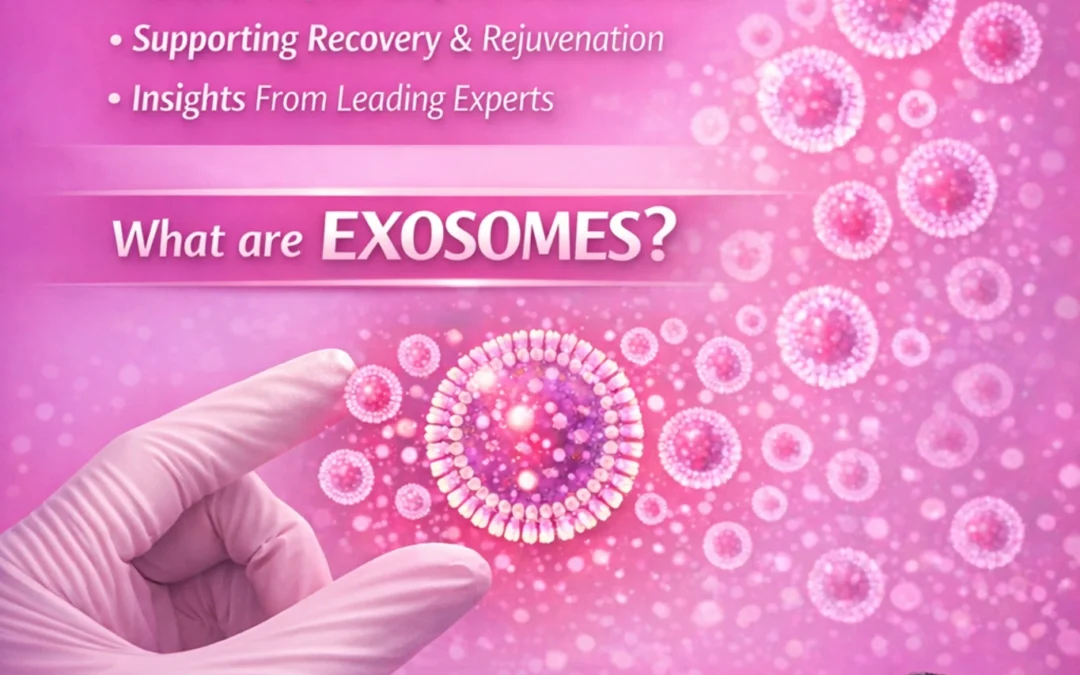
Anti Aging and Healing With Exosomes
Anti Aging & Healing With Exosomes
How cellular communication influences healing, recovery, and aging
If this is your first time hearing about exosomes, you are not behind. Exosomes are not new. Your body has used them your entire life. What is new is how medicine is beginning to understand their role in aging, inflammation, and healing.
At My V Clinic, we work with patients who are not chasing shortcuts. They are asking better questions. Why does recovery take longer now. Why does inflammation linger. Why does the body feel stuck even when labs look acceptable.
Aging is not just cosmetic. It is biological. At its core, aging reflects how efficiently your cells communicate, repair damage, regulate inflammation, and return to balance after stress. Over time, those communication systems degrade. Healing slows. Recovery becomes incomplete.
Exosomes are one of the body’s primary communication tools. They are how cells signal repair, coordinate immune responses, and regulate inflammation. Understanding this mechanism helps explain why exosomes are being studied in both regenerative and anti aging medicine.
This article is educational. Exosomes are not FDA approved treatments, not cures, and not appropriate for everyone. But they represent an important shift in how medicine thinks about healing.
What exosomes are in simple terms
Exosomes are microscopic extracellular vesicles released by cells. They are not cells themselves. They do not divide or become tissue. They act as messengers.
Inside exosomes are biologically active signals including proteins, lipids, and genetic material. These signals instruct other cells on how to behave. Some signals promote repair. Others calm inflammation. Others influence immune balance.
When injury or inflammation occurs, stem cells release exosomes as part of the healing cascade. This is a normal biological process.
As we age, both the number and effectiveness of these signals decline. That decline is one reason healing slows and inflammation becomes chronic.
Exosome based therapies aim to support or amplify this natural signaling process.
Expert insight: clinical perspective on exosomes and healing
Much of the modern clinical discussion around exosomes comes from physicians working in regenerative and aging medicine.
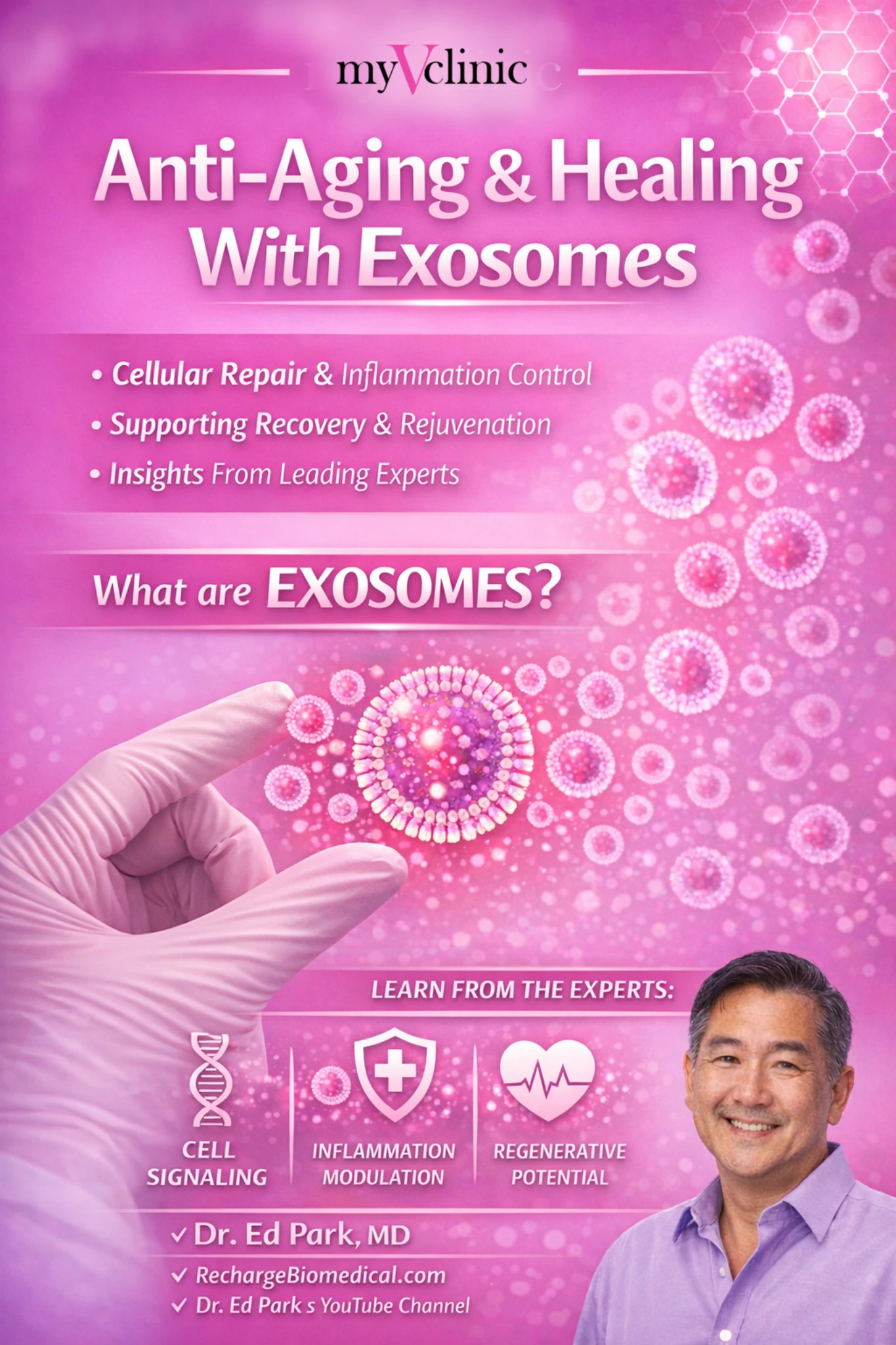
One widely referenced expert is Dr. Ed Park, MD, a Harvard and Columbia trained physician and founder of Recharge Biomedical. Dr. Park has spent years studying how cellular signaling, inflammation regulation, and regenerative communication influence healing and aging.
Dr. Park emphasizes that exosomes are not replacement cells. They are biological messengers that help coordinate repair by calming inflammation and guiding tissue recovery. In clinical discussions and interviews, he has noted that many benefits historically attributed to stem cell therapies may actually result from the exosomes stem cells release.
Dr. Park’s background includes:
-
Medical training at Harvard Medical School and Columbia University
-
Clinical focus on regenerative medicine, aging biology, and inflammation control
-
Founder of Recharge Biomedical, a clinic centered on biologically driven healing approaches
-
Public educator through long form lectures, podcasts, and clinical discussions
Learn more about Dr. Park’s work and educational material:
<a href=”https://rechargebiomedical.com/” style=”color:#ec45a90;”>Recharge Biomedical Official Website</a>
<a href=”https://www.youtube.com/@drpk65″ style=”color:#ec45a90;”>Dr. Ed Park Educational YouTube Channel</a>
This perspective aligns with a broader shift in medicine away from forcing repair and toward supporting the body’s innate signaling systems.
Exosomes versus stem cells: an important distinction
Stem cells and exosomes are often grouped together, but they are not the same.
Stem cells are living cells capable of dividing and differentiating. Exosomes are signaling vesicles released by cells. They do not replicate. They do not become tissue.
Personalized hormone support, weight loss, and aesthetic care for people ready to feel like themselves again.
Research increasingly suggests that many observed benefits of stem cell therapies may result from exosome signaling rather than long term engraftment of stem cells themselves.
Key differences include:
• Exosomes are far smaller than stem cells
• Exosomes do not divide
• Exosomes lack typical immune rejection markers
• Exosomes act through communication, not replacement
This does not mean exosomes replace stem cells in all contexts. It does mean cellular communication is now recognized as central to healing.
Why exosomes are being explored for anti aging
Anti aging medicine is often misunderstood. It is not about stopping time. It is about reducing damage and improving repair efficiency.
Key contributors to biological aging include:
• Chronic inflammation
• Impaired cellular communication
• Slower tissue regeneration
• Immune system dysregulation
• Declining regenerative signaling
Exosomes interact with all of these processes. They are involved in inflammation resolution, immune modulation, and repair coordination.
This is why exosomes are being studied in joint health, neurological recovery, skin quality, immune balance, and overall resilience.
They do not make the body younger. They may help it function more efficiently.
Healing and recovery support
Many chronic injuries and conditions are not defined by damage alone. They are defined by inflammation that never resolves.
Exosomes appear to help shift the body from a prolonged inflammatory phase into a repair oriented phase. This transition is critical for healing.
Patients often experience reduced pain or improved function before full tissue repair is complete. This makes aftercare essential.
Healing still takes time.
What exosomes are not
Clarity matters.
Exosomes are not:
• FDA approved standard treatments
• Guaranteed outcomes
• Replacements for medical care
• Risk free therapies
• Appropriate for all patients
Individuals with active infections, undiagnosed cancers, or certain medical conditions may not be candidates. Responsible screening is essential.
Recovery expectations and aftercare
One of the most common mistakes is confusing symptom relief with healing.
Structural repair, collagen remodeling, and nerve regeneration take weeks to months.
After exosome based therapies, patients are typically advised to:
• Avoid overexertion
• Prioritize sleep and hydration
• Reduce stress
• Follow provider guidance
Overdoing activity too early can reverse progress.
Quality and sourcing matter
Not all exosomes are equivalent. Potency and consistency depend on sourcing, processing, and handling.
Patients should be cautious of exaggerated claims and unverified products. Ethical clinics emphasize transparency and education.
The future of exosomes in medicine
Exosomes represent a shift toward biologically supportive medicine rather than force based intervention.
Ongoing research explores:
• Tissue specific exosomes
• Neurological signaling
• Immune modulation
• Anti inflammatory applications
• Long term safety
Medicine evolves through evidence, not trends.
Frequently Asked Questions About Exosomes
1. Are exosomes FDA approved
No. Exosome based therapies are not FDA approved and are considered investigational.
2. Are exosomes stem cells
No. Exosomes are signaling vesicles released by cells. They do not divide or become tissue.
3. Can exosomes reverse aging
No. Exosomes do not reverse aging. They are studied for supporting repair and inflammation regulation.
4. How quickly do people notice effects
Some notice changes within days related to inflammation. Structural healing takes longer.
5. Are exosomes safe
Safety depends on sourcing, screening, and medical oversight. They are not appropriate for everyone.
6. Can exosomes replace hormone therapy
No. Exosomes do not replace hormone optimization or medical treatment.
7. Why does quality matter
Processing and handling directly affect biological activity and consistency.
8. Do exosomes reduce inflammation
Research suggests exosomes may support anti inflammatory signaling.
9. Can exosomes help joint or nerve issues
They are being studied in musculoskeletal and neurological contexts, with variable outcomes.
10. Who should avoid exosome therapies
Individuals with active infections, certain cancers, or uncontrolled conditions should avoid them without medical clearance.
This content is for educational purposes only and does not constitute medical advice. It does not diagnose, treat, cure, or prevent any condition. Always consult a qualified healthcare professional regarding symptoms, medications, or treatment decisions.
Related Reading
This content is for educational purposes only and does not constitute medical advice. It does not diagnose, treat, cure, or prevent any condition. Always consult a qualified healthcare professional regarding symptoms, medications, or treatment decisions.